
One of the most important aspects of personal finance is having an emergency fund. An emergency fund is a financial safety net that can help you cover unexpected expenses, such as job loss, medical bills, or home repairs. In this blog post, we will explain what an emergency fund is, how to build one, how to keep one, and what are the benefits of having one.
What is an emergency fund?
An emergency fund is a separate, liquid account that you can access quickly and easily in case of emergencies. It is not meant for regular expenses, such as rent, groceries, or entertainment, but for unforeseen and urgent situations, such as:
- Losing your job or income source
- Having a medical emergency or illness
- Facing a car breakdown or accident
- Needing a home repair or maintenance
- Dealing with a natural disaster or theft
Having an emergency fund can help you avoid using credit cards, loans, or other forms of debt to pay for these expenses, which can lead to high interest rates, fees, or penalties. It can also prevent you from tapping into your retirement savings, which can have tax implications and long-term consequences.
How to build an emergency fund?
Building an emergency fund requires setting a savings goal and contributing regularly to the fund. The amount of money you need to save depends on your personal situation, such as your income, expenses, lifestyle, and risk tolerance. However, a general rule of thumb is to save three to six months of living expenses in your emergency fund. This can cover your essential costs, such as housing, food, utilities, transportation, insurance, and debt payments, in case you lose your income source.
To build your emergency fund, you need to:
- Calculate your monthly living expenses: You can use a budgeting app, spreadsheet, or worksheet to track your income and expenses, and determine how much money you need to cover your basic needs each month.
- Set a savings goal: Based on your monthly living expenses, multiply them by three to six to get your target amount for your emergency fund. You can adjust this number according to your preferences and circumstances, such as your job security, family size, health condition, or insurance coverage.
- Save regularly: Once you have your savings goal, you need to save a portion of your income every month until you reach it. You can automate your savings by setting up a direct deposit or transfer from your checking account to your emergency fund account. You can also boost your savings by reducing your expenses, using your tax refunds or bonuses, or selling your unused items.
How to keep an emergency fund?
Keeping an emergency fund requires choosing an account that offers higher interest rates than regular savings accounts, such as high yield savings, money market accounts, or certificates of deposit (CDs). These accounts are also FDIC-insured, which means your money is protected up to $250,000 per depositor, per institution, in case of bank failure. These accounts are also easy to access, which means you can withdraw your money without any fees or penalties, unlike some other investments, such as stocks, bonds, or mutual funds.
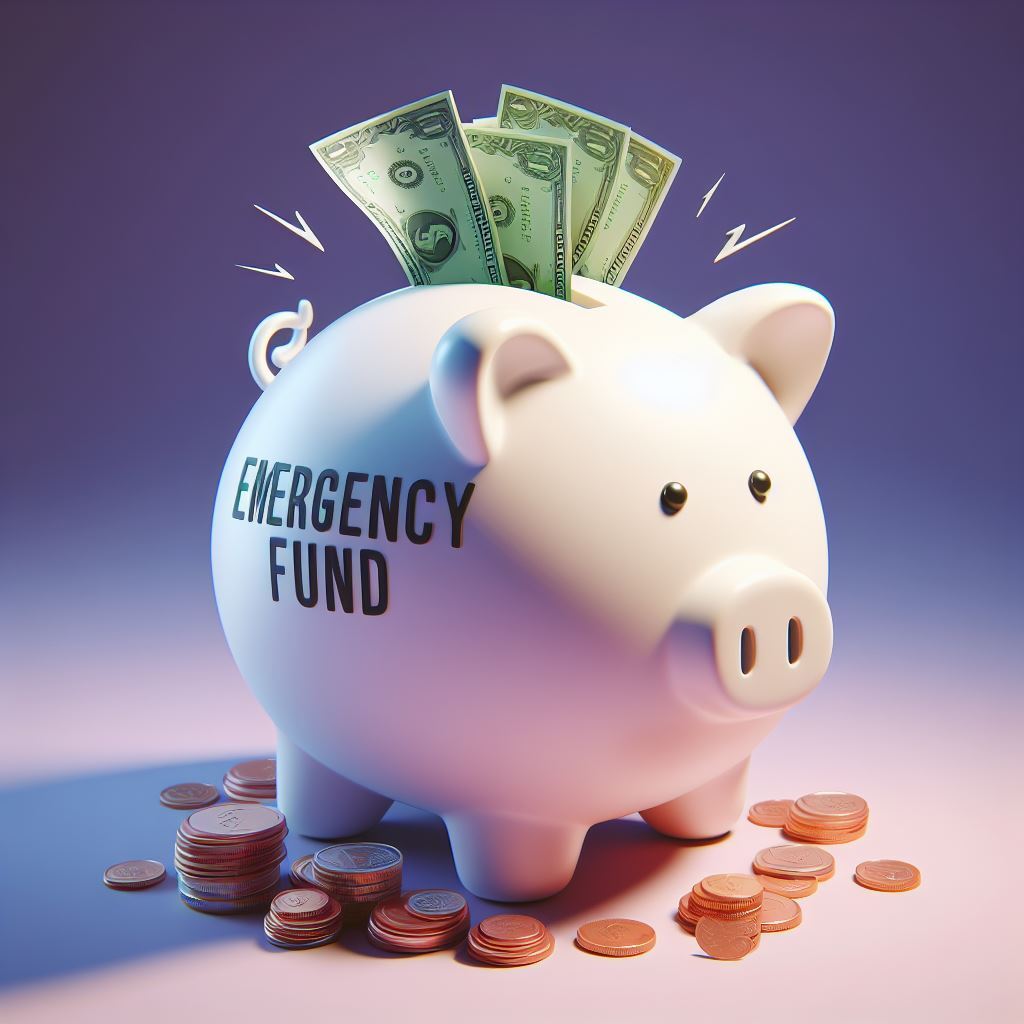
To keep your emergency fund, you need to:
- Compare different accounts: You can use a tool, such as [this one], to compare the interest rates, fees, and features of different accounts, and choose the one that suits your needs and preferences.
- Open an account: Once you have chosen an account, you need to open it and link it to your checking account, so you can transfer money between them. You also need to check the minimum balance and deposit requirements, and make sure you meet them.
- Monitor your account: You need to regularly check your account balance and statements, and make sure you earn interest and avoid fees. You also need to update your account information, such as your address, phone number, or beneficiaries, if they change.
What are the benefits of an emergency fund?
Having an emergency fund has many benefits for your financial well-being, such as:
- Peace of mind: Having an emergency fund can give you a sense of security and confidence, knowing that you have money to deal with unexpected situations. You can also avoid stress and anxiety, which can affect your health and productivity.
- Financial security: Having an emergency fund can help you protect your finances and assets, and avoid debt, penalties, or tapping into your retirement savings. You can also preserve your long-term financial goals, such as saving for a house, a car, or a vacation.
- Financial flexibility: Having an emergency fund can help you take advantage of opportunities, such as investing in a business, pursuing a career change, or relocating to a new place. You can also handle changes in your life, such as getting married, having a baby, or retiring.
Conclusion
An emergency fund is a financial safety net that can help you cover unexpected expenses, such as job loss, medical bills, or home repairs. To build an emergency fund, you need to set a savings goal and save regularly. To keep an emergency fund, you need to choose an account that offers higher interest rates and easy access. Having an emergency fund can give you peace of mind, financial security, and financial flexibility. Start your emergency fund today, and see the difference it can make in your life.
 ABC of Finance
One thought on “Emergency Money”