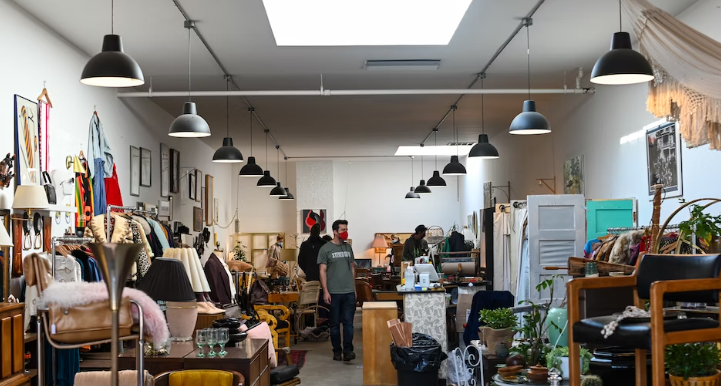
Do you love browsing through thrift stores and finding hidden gems? Do you wish you could turn your hobby into a side hustle or even a full-time income? If so, you might be interested in thrift store flipping.
Thrift store flipping is the practice of buying items from a thrift shop with the intention of reselling them for a higher price. You can sell your finds online, at local markets, or even at your own garage sale. The key is to know what to look for, how to price it, and where to sell it.
In this blog post, I will share some tips and tricks on how to become a successful thrift store flipper. You will learn:
- How to research the value of potential items
- How to choose the best thrift stores and sales days
- How to clean and restore your items
- How to ship and package your items
- How to market and sell your items
- What are the best categories of items to flip
Ready to get started? Let’s dive in!
How to Research the Value of Potential Items
The first step to thrift store flipping is to know what to buy and what to avoid. You don’t want to waste your money on items that have no resale value or are too difficult to sell.
The best way to research the value of potential items is to use your smartphone and check online platforms such as eBay, Etsy, and Amazon. These sites can give you an idea of how much similar items are selling for, and how popular they are among buyers.
You can also use sites like Kovels and Lang Antiques to identify and date collectible items such as pottery, jewelry, and glassware. Look for stamps, marks, labels, and signatures that can indicate the origin and age of the item.
When researching the value of an item, make sure to compare it to items in similar condition and quality. For example, a vintage Pyrex dish in mint condition will sell for more than one with chips and scratches. Also, factor in the cost of cleaning, repairing, and shipping the item when calculating your potential profit.
How to Choose the Best Thrift Stores and Sales Days
The next step to thrift store flipping is to find the best sources of inventory. Not all thrift stores are created equal, and some may offer better deals and quality than others.
One factor to consider is the location of the thrift store. Generally, thrift stores in higher-end areas tend to have higher-end items, such as designer clothing, accessories, and housewares. However, you may also face more competition and higher prices in these areas.

Another factor to consider is the timing of your visit. Many thrift stores have special sales days where they offer discounts or promotions to clear out their inventory. For example, some thrift stores may have 50% off days, dollar days, or color tag sales. These are great opportunities to score some bargains and increase your profit margin.
However, keep in mind that sales days may also attract more shoppers and flippers, so you may have to deal with crowds and limited selection. To avoid this, you may want to visit thrift stores on weekdays, early mornings, or late evenings, when they are less busy and have more fresh inventory.
How to Clean and Restore Your Items
Once you have bought your items, you need to make them look as good as possible before selling them. This may involve cleaning, repairing, or restoring them to their original condition.
The best way to clean your items depends on their material and type. For example, clothing may need to be laundered, ironed, or dry-cleaned, while glassware may need to be polished or sanitized. You can use online guides and tutorials to learn how to clean different kinds of items.
Some items may also need some minor repairs, such as fixing a zipper, sewing a button, or gluing a crack. If you have the skills and tools to do these repairs yourself, you can save some money and increase the value of your items. However, if the item needs major repairs or restoration, you may want to leave it to a professional or avoid buying it altogether.
How to Ship and Package Your Items
If you are selling your items online, you need to consider how to ship and package them safely and cost-effectively. Shipping costs can eat into your profits, so you want to find the best option for your items.
The first thing to consider is the size and weight of your item. The larger and heavier the item, the more it will cost to ship, unless it can fit into a flat-rate box. You can use online calculators and tools to compare shipping rates and options from different carriers and services.
The second thing to consider is the packaging of your item. You want to use a box that is sturdy and fits your item snugly, without leaving too much empty space. You also want to use enough padding and cushioning to protect your item from damage during transit. You can use bubble wrap, packing peanuts, newspaper, or other materials to fill the gaps and secure your item.
You can get free boxes from the USPS, or buy them from other sources such as Office Depot, Papermart, or Amazon. You can also reuse boxes and packing materials that you have at home or get from other places, as long as they are clean and in good condition.
How to Market and Sell Your Items
The final step to thrift store flipping is to market and sell your items to your target buyers. You need to choose the best platform, write a catchy description, take good photos, and price your item competitively.
The best platform to sell your items depends on their category and demand. For example, eBay is a popular option for selling almost anything, especially collectibles, vintage, and rare items. Etsy is a good choice for selling handmade, antique, and artisanal items. Amazon is a great option for selling books, media, and new items.
You can also sell your items locally, either at your own yard sale, or at local markets, such as flea markets and farmers’ markets. This can save you the hassle and cost of shipping, and allow you to interact with your buyers face-to-face.
Whichever platform you choose, you need to write a compelling description that highlights the features, benefits, and condition of your item. You also need to take clear and attractive photos that show your item from different angles and perspectives. You can use online tools and apps to edit and enhance your photos.
Finally, you need to price your item according to its value, demand, and competition. You can use online tools and sites to research the prices of similar items, and adjust your price accordingly. You can also use strategies such as auctions, best offers, and discounts to attract more buyers and increase your sales.
What Are the Best Categories of Items to Flip
Now that you know the basics of thrift store flipping, you may be wondering what are the best categories of items to flip. While there is no definitive answer to this question, as different items may have different markets and buyers, here are some general categories that tend to do well in thrift store flipping:
- Books. Books can be a great source of income, especially if you find rare, vintage, or collectible books, or books in high demand, such as textbooks, bestsellers, or box sets. You can sell books online, or at local book fairs or markets.
- Art. Art can be a tricky category, as it can be hard to determine the value and authenticity of a piece. However, if you have a good eye and some knowledge, you can find some hidden gems, such as paintings, prints, sculptures, or frames. You can sell art online, or at local art shows or galleries.
- Video Games. Video games can be very popular and profitable, especially if you find old, rare, or nostalgic games, or games for current systems. You can sell video games online, or at local gaming stores or conventions.
- Clothing. Clothing can be a hit or miss, depending on the brand, style, and condition of the garment. However, you can find some valuable items, such as designer clothing, vintage clothing, or clothing with tags. You can sell clothing online, or at local consignment shops or markets.
- Glassware. Glassware can be a beautiful and collectible category, especially if you find vintage, colorful, or unique pieces, such as Pyrex, depression glass, or crystal. You can sell glassware online, or at local antique shops or markets.
These are just some examples of categories that can work well for thrift store flipping. However, you can also find other categories that suit your interests, skills, and niche. The key is to do your research, be creative, and have fun!
Conclusion
Thrift store flipping can be a fun and rewarding way to make money from your passion for thrifting. By following the tips and tricks in this blog post, you can learn how to find, clean, ship, and sell your thrift store finds for a profit.
However, thrift store flipping is not a get-rich-quick scheme, and it requires some work, patience, and persistence. You may not always find a treasure, or sell your items quickly, or make a huge profit. You may also face some challenges, such as competition, fees, or returns.
But if you enjoy the thrill of the hunt, the satisfaction of a good deal, and the joy of sharing your finds with others, thrift store flipping can be a great way to earn some extra cash, or even a full-time income.
Do you have any experience or tips on thrift store flipping? Share them in the comments below!
 ABC of Finance