
Liquidity ratios are financial metrics that measure a company’s ability to pay off its short-term debts and obligations. They indicate how well a company can convert its current assets into cash or cash equivalents.
Liquidity ratios are important for investors, creditors, and managers, as they reflect the financial health and solvency of a company. A high liquidity ratio means that a company has enough cash or liquid assets to meet its current liabilities, while a low liquidity ratio means that a company may struggle to pay its bills on time.
There are different types of liquidity ratios, each with its own formula and interpretation. Here are some of the most common ones:
- Current Ratio: This ratio compares the total current assets to the total current liabilities of a company. It shows how many times a company can cover its short-term debt with its current assets. The formula is:
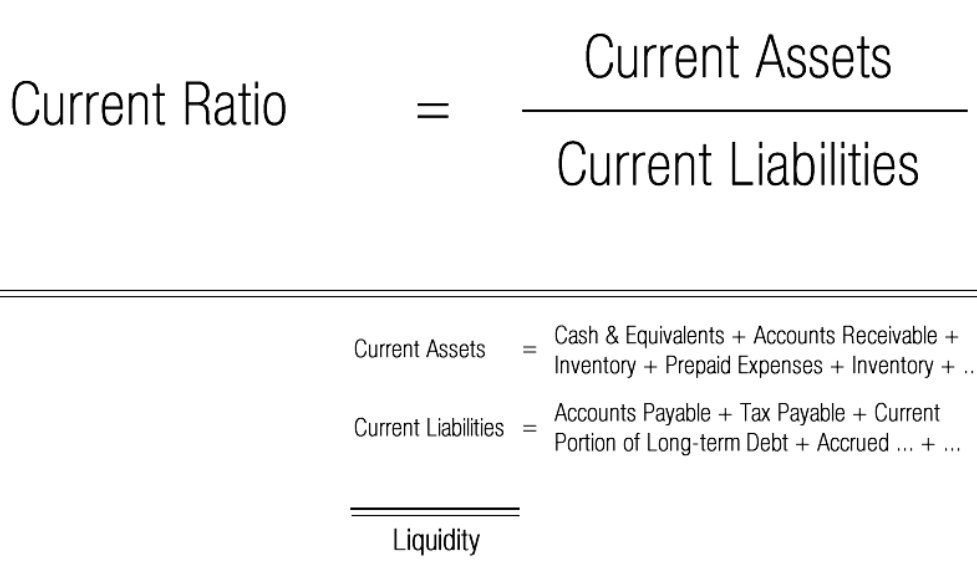
A current ratio of 1 or more is generally considered good, as it means that a company has enough current assets to pay off its current liabilities. A current ratio of less than 1 may indicate that a company has liquidity problems.
- Quick Ratio: This ratio is similar to the current ratio, but it excludes inventory and other less liquid current assets from the numerator. It shows how many times a company can cover its short-term debt with its most liquid assets, such as cash, marketable securities, and accounts receivable. The formula is:
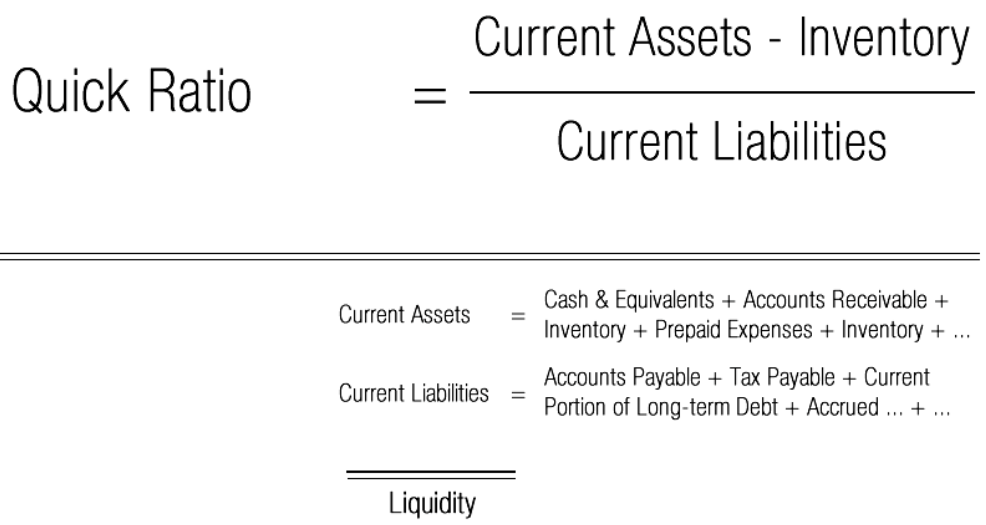
A quick ratio of 1 or more is generally considered good, as it means that a company can pay off its current liabilities without relying on its inventory or other less liquid assets. A quick ratio of less than 1 may indicate that a company has difficulty meeting its immediate obligations.
- Cash Ratio: This ratio is the most conservative and strict measure of liquidity, as it only considers cash and cash equivalents as current assets. It shows how many times a company can cover its short-term debt with its cash or near-cash assets. The formula is:

A cash ratio of 1 or more is generally considered excellent, as it means that a company has enough cash or cash equivalents to pay off its current liabilities. A cash ratio of less than 1 may indicate that a company has very low liquidity and may need to borrow or sell assets to meet its obligations.
These are some of the most common liquidity ratios that can help you assess the financial performance and stability of a company. However, they are not the only indicators of liquidity, and they should be used in conjunction with other financial ratios and analysis tools. Liquidity ratios may vary depending on the industry, business cycle, and accounting methods of a company, so it is important to compare them with the industry averages and historical trends. By doing so, you can gain a better understanding of the fundamentals of finance and make informed decisions.
 ABC of Finance