
Credit card debt is one of the most common and stressful financial problems that many people face. I know because I’ve been there.
A few years ago, I found myself drowning in credit card debt due to a combination of medical bills, reduced income, and poor spending habits. I felt hopeless and overwhelmed. I wanted to escape from my debt, but I didn’t know how.
Fortunately, I was able to turn things around and pay off my debt completely. It wasn’t easy, but it was worth it. And I want to share with you the steps that helped me achieve debt freedom, so you can do it too.
Step 1: Stop Using Your Credit Cards
The first thing you need to do is stop adding to your debt. Put away your credit cards and don’t use them for anything. If you’re tempted to swipe them, cut them up or freeze them in a block of ice.
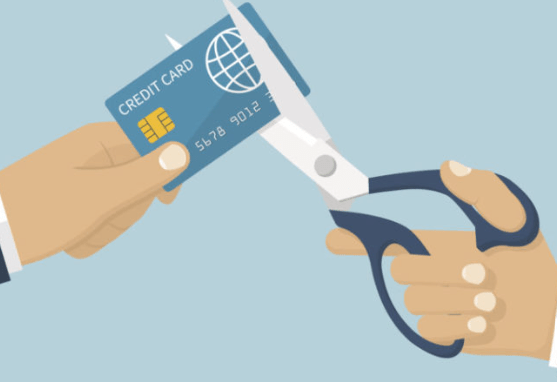
Instead of relying on credit, use cash or debit for your purchases. Set a limit for how much you can spend each month and stick to it. If you run out of cash, you’re done. No exceptions.
This will force you to be more mindful of your spending and live within your means.
Step 2: Analyze Your Spending and Create a Budget
The next step is to figure out where your money is going and how much you can afford to pay toward your debt each month.
To do this, you need to create a budget. A budget is a plan that shows your income and expenses, and helps you manage your money better.
There are different ways to create a budget, such as using a spreadsheet, an app, or the envelope system. Choose the method that works best for you.
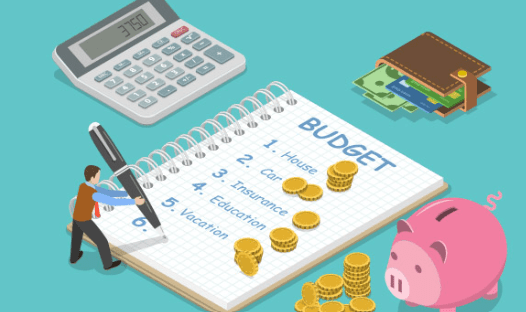
Start by listing all your monthly expenses, such as rent, utilities, groceries, entertainment, and debt payments. Then subtract your expenses from your income to see how much money you have left over.
If you have a positive number, that’s great. You can use that extra money to pay off your debt faster.
If you have a negative number, that’s not good. You need to reduce your expenses or increase your income (or both) to balance your budget.
Review your budget regularly and adjust it as needed.
Step 3: Cut Costs and Boost Your Income
The more money you can put toward your debt, the faster you’ll get rid of it. One way to do that is to cut your expenses as much as possible.
Look at each item in your budget and ask yourself if you can eliminate it, reduce it, or replace it with a cheaper alternative.
For example, you can save money by:
- Lowering your utility bills by using less energy and water
- Canceling subscriptions and memberships that you don’t use or need
- Cooking at home instead of eating out
- Shopping around for better deals on insurance, phone plans, and other services
Another way to free up more money is to increase your income. You can do this by:
- Asking for a raise or promotion at work
- Working overtime or taking on a second job
- Selling stuff that you don’t use or need
- Starting a side hustle or a passive income stream
Use the extra money you make to pay off your debt. Don’t use it to buy more stuff or treat yourself. Remember, your goal is to become debt-free.
Step 4: Lower Your Interest Rates
One of the biggest challenges of paying off credit card debt is the high interest rates. The more interest you pay, the more money you waste and the longer it takes to pay off your balance.
That’s why you should try to lower your interest rates as much as possible. There are a few ways to do this, such as:
- Applying for a balance transfer card. This is a credit card that offers a low or zero interest rate for a limited time, usually 12 to 21 months. You can transfer your existing balances to this card and pay them off without paying any interest. Just make sure you pay attention to the balance transfer fees, the regular interest rate after the promotional period, and the minimum payment requirements.
- Negotiating with your credit card company. You can call your credit card issuer and ask them to lower your interest rate. Explain why you’re having trouble paying your debt, how long you’ve been a loyal customer, and how you plan to pay off your balance. Be polite, persistent, and prepared to talk to a supervisor if needed. If they agree, get the new terms in writing.
- Getting help from a credit counselor. A credit counselor is a professional who can help you manage your debt and create a repayment plan. They can also contact your creditors and negotiate lower interest rates and fees on your behalf. You’ll have to pay a monthly fee for this service, but it might be worth it if you’re overwhelmed by your debt and need some guidance.
Step 5: Choose a Repayment Strategy
The final step is to choose a repayment strategy that works for you. This is how you decide which debt to pay off first and how much to pay each month.
There are different strategies you can use, such as:
- The debt avalanche method. This is where you pay off the debt with the highest interest rate first, while making the minimum payments on the rest. Once you pay off the first debt, you move on to the next one, and so on. This way, you save the most money on interest and pay off your debt faster.
- The debt snowball method. This is where you pay off the debt with the smallest balance first, while making the minimum payments on the rest. Once you pay off the first debt, you move on to the next one, and so on. This way, you build momentum and motivation as you see your debts disappear one by one.
- The debt snowflake method. This is where you make extra payments on your debt whenever you have some spare cash, such as from a windfall, a refund, or a side hustle. You can use this method in combination with the debt avalanche or the debt snowball method to speed up your debt payoff.
Choose the strategy that suits your personality, goals, and financial situation. The most important thing is to stick to your plan and pay as much as you can each month.
Conclusion
Paying off credit card debt is not easy, but it is possible. I did it, and so can you.
All you need to do is follow these steps:
- Stop using your credit cards
- Analyze your spending and create a budget
- Cut costs and boost your income
- Lower your interest rates
- Choose a repayment strategy
By doing this, you’ll be able to pay off your debt faster, save money on interest, and improve your credit score. You’ll also feel more confident, happy, and free.
Trust me, it’s worth it.
 ABC of Finance