Have you ever received a phone call or a letter from a debt collector about a debt you don’t remember owing? If so, you might have encountered a zombie debt.
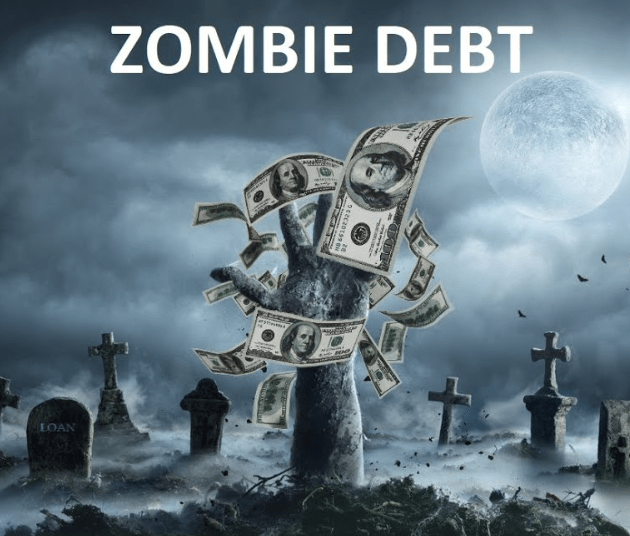
Zombie debt is an old debt that has been written off as uncollectable by the original lender, but then sold to another company that tries to collect it again. Sometimes, these debts are so old that they are no longer legally enforceable, meaning you don’t have to pay them. But that doesn’t stop some debt collectors from using shady tactics to get you to pay.
In this blog post, I will explain what zombie debt is, how to recognize it, and how to protect yourself from it.
What is Zombie Debt?
Zombie debt is a term for debt that has been charged off by the original lender, usually after three to six years of non-payment. The original lender may stop trying to collect the debt because it is not worth their time and money, or because they can’t find you or contact you.
However, some debt collection companies buy these old debts for pennies on the dollar, hoping to make a profit by collecting them from unsuspecting consumers. They may use various methods to get you to pay, such as:
- Calling you repeatedly or at inconvenient times
- Sending you letters or emails
- Threatening you with legal action or negative credit reporting
- Lying to you about the debt or your rights
- Trying to get you to admit that the debt is yours or to make a small payment
How to Recognize Zombie Debt?
The first step to deal with zombie debt is to recognize it. Here are some signs that the debt you are being contacted about may be a zombie debt:
- You don’t recognize the debt or the creditor
- The debt is older than the statute of limitations in your state
- The debt has been paid off, settled, or discharged in bankruptcy
- The debt is not on your credit report or has been removed after seven and a half years
The statute of limitations is the time limit for a creditor to sue you for a debt. It varies by state and type of debt, but it is usually between three and six years. After the statute of limitations expires, you are no longer legally obligated to pay the debt, even if it is valid. However, some debt collectors may try to trick you into restarting the statute of limitations by getting you to acknowledge the debt or make a payment.
How to Protect Yourself from Zombie Debt?
If you suspect that you are being contacted about a zombie debt, here are some steps you can take to protect yourself:
- Don’t talk to the debt collector on the phone. Ask for their name, address, and phone number, and tell them to send you a written notice of the debt.
- Don’t admit that the debt is yours or agree to pay anything. This could restart the statute of limitations and make you liable for the debt again.
- Send a certified letter to the debt collector within 30 days of receiving their notice, asking them to validate the debt. This means providing you with proof that the debt is yours and that they have the right to collect it. You can use the sample letters from the Consumer Financial Protection Bureau (CFPB) as a guide.
- Don’t respond to the debt collector until you receive the validation letter. If they don’t send you the validation letter, they can’t legally contact you again.
- If the validation letter shows that the debt is not valid or is beyond the statute of limitations, send another letter to the debt collector, disputing the debt and telling them to stop contacting you. You can also use the sample letters from the CFPB for this purpose.
- Check your credit report for any errors or negative marks related to the zombie debt. If you find any, dispute them with the credit bureaus and the debt collector.
Conclusion
Zombie debt is a common and annoying problem that can affect your finances and your peace of mind. However, you have rights and options to deal with it. By following the steps above, you can avoid paying a debt you don’t owe and stop the harassment from the debt collectors. Remember, you are not alone in this fight. You can always seek help from a reputable credit counselor or a consumer lawyer if you need more guidance or assistance.
 ABC of Finance