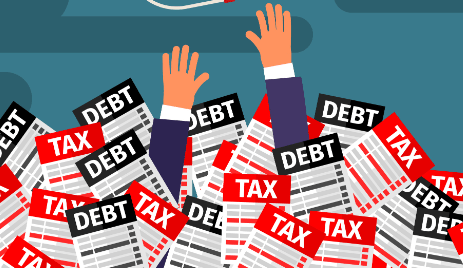
Bankruptcy often carries a stigma, but in reality, it’s a legal tool designed to provide individuals and businesses with a chance to reset their financial situation. It’s not a decision to be made lightly, as it comes with both immediate relief and long-term consequences.
When to Consider Bankruptcy
- Overwhelming Debt: If you’re facing an insurmountable amount of debt and lack the means to pay it off within 3-5 years, bankruptcy might be a viable option.
- Creditor Negotiations Fail: Before filing, it’s recommended to consult a credit counselor and attempt to negotiate with creditors. If these efforts don’t yield results, bankruptcy could be the next step.
Types of Bankruptcy
- Chapter 7: Known as liquidation bankruptcy, it involves dissolving most debts and may require selling off assets to pay creditors.
- Chapter 13: Also called reorganization bankruptcy, it allows you to keep your assets and pay debts through a repayment plan.
The Process of Filing for Bankruptcy
- Legal Representation: It’s advisable to hire a bankruptcy attorney to navigate the complex legal process and ensure your rights are protected.
- Credit Counseling: As part of the filing process, you must receive credit counseling from a government-approved agency.
Pros and Cons of Bankruptcy
- Pros: Provides relief from creditors, stops foreclosure, and protects future wages.
- Cons: Affects your credit score, limits your ability to obtain new credit, and may impact your tax situation.
Rebuilding After Bankruptcy
- Credit Score Impact: Chapter 7 bankruptcy stays on your credit report for up to 10 years, while Chapter 13 remains for seven.
- Credit Recovery: You can start rebuilding your credit about a year after filing by using secured loans and ensuring timely repayments.
Alternatives to Bankruptcy
- Debt Consolidation: Combining multiple debts into one loan with a single payment can be an alternative to bankruptcy.
- Credit Repair: Working with creditors to settle debts for less than the amount owed can also be a viable option.
Conclusion
Bankruptcy should be considered a last resort when all other debt relief methods have failed. It’s a complex decision that requires careful consideration of your financial situation and future goals. With the right approach and guidance, it can offer a path out of debt and towards financial stability.
 ABC of Finance