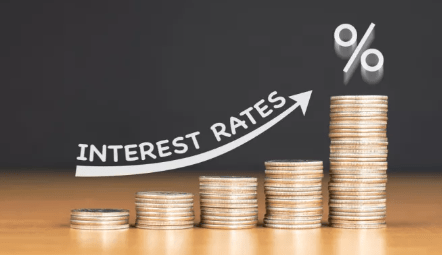
Interest rates are a critical lever in macroeconomic policy, influencing various aspects of the economy, including the stock market. Understanding how changes in interest rates impact stock market performance is essential for investors, financial analysts, and policymakers. This article explores the relationship between interest rate fluctuations and stock market behavior, highlighting the mechanisms through which these changes affect market performance and offering insights into how investors can navigate such shifts.
The Importance of Interest Rates
Interest rates, set by a country’s central bank, are the cost of borrowing money. They serve as a benchmark for various financial instruments, affecting everything from consumer loans to corporate financing. The central bank, such as the Federal Reserve in the United States, adjusts interest rates to control inflation, manage economic growth, and stabilize the financial system.
How Interest Rate Changes Influence the Stock Market
1. Cost of Borrowing
When interest rates rise, the cost of borrowing increases for both consumers and businesses. Higher borrowing costs can lead to reduced consumer spending and business investment, which can slow economic growth. For companies, higher interest rates mean increased expenses for loans and credit, which can reduce profit margins and lead to lower stock prices.
2. Consumer Spending
Consumer spending is a significant driver of economic growth. When interest rates rise, consumers may find it more expensive to finance big-ticket items like homes and cars, leading to reduced spending. Lower consumer spending can negatively impact companies’ revenues and earnings, thereby affecting their stock prices.
3. Corporate Earnings
Higher interest rates often translate into higher costs of capital for companies. This can result in decreased profitability as companies allocate more resources to service their debt. Reduced earnings expectations can lead to lower stock valuations and diminished investor confidence.
4. Discount Rate
Interest rates are used to calculate the discount rate, which is employed in valuing future cash flows of companies. A higher discount rate reduces the present value of future earnings, making stocks less attractive. This can lead to a decline in stock prices, particularly for growth stocks that rely heavily on future earnings potential.
5. Investor Behavior
Interest rate changes can also influence investor behavior. Higher interest rates may make fixed-income investments like bonds more attractive relative to stocks, leading investors to reallocate their portfolios away from equities. This shift can result in a decrease in stock market demand and subsequently lower stock prices.
Market Sentiment and Expectations
Stock market performance is also driven by investor sentiment and expectations. If investors anticipate that interest rates will rise, they might adjust their portfolios in advance, which can cause stock prices to fluctuate. Similarly, unexpected changes in interest rates can lead to market volatility as investors react to new information.
Strategic Responses for Investors
1. Diversification
To mitigate the risks associated with interest rate changes, investors should diversify their portfolios across different asset classes and sectors. Diversification can help cushion the impact of interest rate fluctuations on overall portfolio performance.
2. Focus on Fundamentals
Investors should focus on the fundamental strengths of the companies they invest in, such as strong balance sheets and robust cash flows. Companies with solid fundamentals are more likely to weather the adverse effects of rising interest rates.
3. Monitor Economic Indicators
Keeping an eye on economic indicators and central bank communications can provide valuable insights into potential interest rate movements. This proactive approach allows investors to make informed decisions and adjust their strategies accordingly.
Conclusion
Interest rate changes are a powerful tool of macroeconomic policy that significantly influence stock market performance. By understanding the mechanisms through which interest rate fluctuations impact the market, investors can better navigate the complexities of investing in a dynamic economic environment. Strategic portfolio diversification, a focus on company fundamentals, and staying informed about economic indicators are key strategies for managing the risks associated with interest rate changes.
 ABC of Finance