
Accounting might not be the first thing that comes to mind when you think of excitement and adventure, but the history of accounting is filled with fascinating developments and innovations that have shaped our world. Let’s embark on a journey through time to explore how accounting evolved from ancient practices to modern-day marvels, making it a vital part of our everyday lives.
Ancient Beginnings: Clay Tablets and Counting Sticks
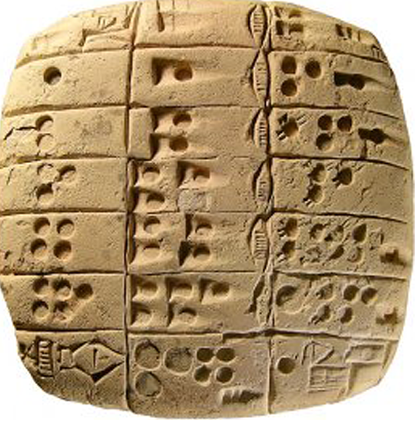
Our story begins in ancient Mesopotamia around 5,000 years ago. Picture this: ancient merchants and traders bustling through marketplaces, keeping track of their goods using clay tablets. These early accountants would inscribe transactions on these tablets with a stylus, marking the dawn of record-keeping.
Meanwhile, across the world in ancient China, accounting was taking shape with the help of counting sticks. The Chinese used bamboo sticks arranged in various patterns to keep track of quantities, laying the groundwork for modern-day bookkeeping.

The Roman Empire: Birth of the Ledger
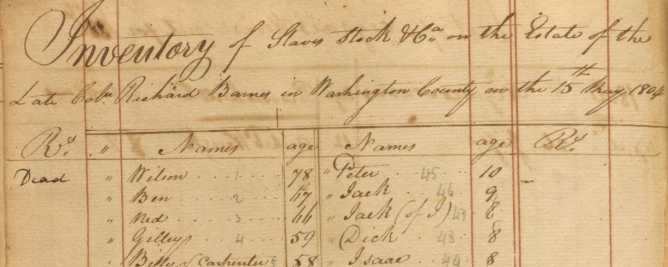
Fast forward to the Roman Empire, where accounting became more sophisticated. The Romans introduced the concept of the ledger, a book where financial transactions were recorded systematically. This innovation allowed for better organization and transparency in financial records, essential for managing the vast empire’s wealth.
Medieval Marvels: Double-Entry Bookkeeping
The Middle Ages brought a revolutionary change with the advent of double-entry bookkeeping in 14th-century Italy. Luca Pacioli, often referred to as the “Father of Accounting,” published a book in 1494 detailing this method. Double-entry bookkeeping involves recording each transaction twice – once as a debit and once as a credit – ensuring accuracy and reducing errors. This system became the foundation of modern accounting and is still in use today.

The Industrial Revolution: Accounting Goes Mainstream
The Industrial Revolution in the 18th and 19th centuries was a game-changer for accounting. As businesses grew and became more complex, the demand for accurate financial records skyrocketed. Accountants were now essential for tracking costs, profits, and investments. This era also saw the rise of accounting firms, providing professional services to businesses and individuals.

The 20th Century: Technology Transforms Accounting
The 20th century brought technological advancements that revolutionized accounting. The introduction of calculators and adding machines made calculations faster and more accurate. But the real game-changer came with the advent of computers.

In the 1950s and 1960s, computers started being used for accounting purposes. These early machines, though bulky and expensive, automated many accounting tasks, reducing human error and saving time. By the 1980s, personal computers and accounting software like QuickBooks made accounting accessible to small businesses and individuals.
The Digital Age: Cloud Computing and Beyond
Today, we live in the age of digital accounting. Cloud computing has transformed how we manage financial information. Accountants can now access and update financial records in real-time from anywhere in the world. Advanced software solutions offer features like automated invoicing, expense tracking, and even predictive analytics, making accounting more efficient and insightful than ever before.

Why It Matters: The Role of Accounting in Everyday Life
So, why should you care about the evolution of accounting? Whether you’re a student, preparing for exams, or just someone interested in how things work, understanding accounting is crucial. Here’s why:
- Personal Finance: Basic accounting principles help you manage your money, budget effectively, and save for the future.
- Career Opportunities: Knowledge of accounting opens up various career paths in finance, business, and entrepreneurship.
- Critical Thinking: Accounting teaches you to think analytically and solve problems, skills that are valuable in any field.
Conclusion: A Journey Worth Remembering
The history of accounting is a testament to human ingenuity and the relentless pursuit of accuracy and transparency in financial matters. From clay tablets to cloud computing, accounting has come a long way, evolving with the times to meet the needs of society.

As you navigate your studies and daily life, remember that accounting is more than just numbers – it’s a story of progress and innovation that continues to shape our world.
Accounting Auditing Budgeting Business Credit Cards credit score Debit Cards debt debt management emergency fund finance finance manager finance manager salary financial literacy financial management Financial Ratios Financial Resolutions Financial Statement Analysis functions of financial management how to become how to start income statements internal rate of return Investing Investment investment formulas irr loan Make Money money payback period Pay Debts Personal Finance Real Estate reducing expences Retirement salary saving money Small Business Owners SMEs Stock Market Use Credit Cards Wisely What is it? What It Is and How to yearly salary
 ABC of Finance