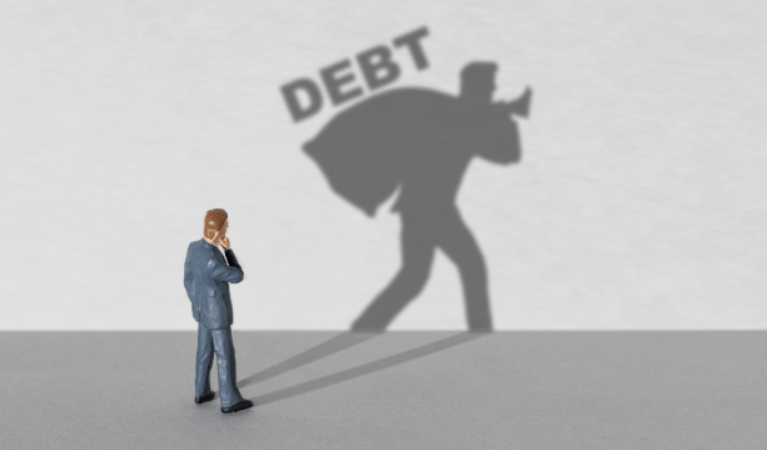
Liabilities, at their core, represent the financial obligations that a business or individual owes to others. These debts, whether to lenders, suppliers, employees, or tax authorities, arise from past transactions and create an obligation to repay cash or deliver assets in the future. The balance sheet serves as a key indicator of a company’s financial health, with liabilities prominently featured on the right side, in contrast to assets, which represent resources under the company’s control.
Liabilities hold significance for multiple reasons. Firstly, they provide an essential source of financing. For businesses looking to expand, or individuals aiming to make significant purchases, borrowing plays a vital role. For instance, a company may take out a loan to invest in new equipment, while an individual might secure a mortgage to purchase a home. Secondly, liabilities have a direct impact on profitability. Companies must manage interest payments and principal repayments on their debts, both of which reduce net income. On a personal level, credit card debts can eat into disposable income, restricting financial flexibility. Furthermore, liabilities bring tax considerations into play. Interest on loans is typically tax-deductible for businesses, reducing taxable income, while mortgage interest often offers similar benefits for individuals.
Understanding the fluctuating nature of liabilities is key. The value of these debts can shift due to factors like interest rates, repayment terms, or the perceived risk of default. Moreover, these values can be calculated in various ways, such as through present value assessments or market valuations, and can be influenced by changes in inflation or economic conditions.
Categories of Liabilities
Liabilities are generally categorized into two broad groups: current liabilities and non-current liabilities. Each category has unique characteristics based on how soon the obligations are expected to be settled.
Current Liabilities
Current liabilities refer to debts that must be paid within a year, or within a company’s operating cycle—whichever is longer. These obligations are typically short-term and require immediate attention. Common examples include:
- Accounts payable: These are amounts owed to suppliers for goods or services purchased on credit, a normal part of most businesses’ operations.
- Accrued expenses: These refer to costs that a business has incurred but has yet to pay, such as employee wages, utility bills, or taxes.
- Short-term loans: These loans, such as bank overdrafts or commercial paper, must be repaid within a year and often carry higher interest rates.
- Unearned revenue: This is money received for services yet to be performed or goods not yet delivered, such as prepaid subscriptions or deposits.
Managing current liabilities effectively is essential to maintaining liquidity and avoiding short-term financial distress.
Non-Current Liabilities
Non-current liabilities, on the other hand, represent long-term obligations. These debts are not due for repayment for at least one year, often much longer. Examples include:
- Long-term loans: Mortgages or corporate bonds fall into this category. They come with extended repayment periods and often require collateral.
- Deferred tax liabilities: These result from differences in accounting methods that cause taxes to be paid at a future date.
- Pension liabilities: Companies that offer pension plans must account for the long-term obligations they owe to retired employees.
- Lease liabilities: These are long-term obligations related to renting or leasing assets, such as office space or equipment.
Non-current liabilities help businesses and individuals finance significant investments but must be carefully managed to avoid future financial strain.
Managing Current Liabilities and Overall Debt
Managing liabilities is not just about tracking what you owe—it’s about strategic planning, ensuring financial sustainability, and balancing the costs and benefits of debt. Poor debt management can lead to liquidity problems, reduced profitability, and even bankruptcy. However, with the right approach, liabilities can be leveraged as a powerful financial tool.
Managing Current Liabilities
To effectively manage current liabilities, businesses must stay vigilant, ensuring that short-term obligations don’t spiral out of control. Key strategies include:
- Cash flow management: It’s essential to project future cash inflows and outflows accurately. A solid understanding of upcoming financial commitments ensures that short-term liabilities are met without jeopardizing the company’s liquidity.
- Negotiation with creditors: Businesses can often secure better terms with suppliers and lenders by negotiating longer repayment periods or reduced interest rates. Extending payables while maintaining solid relationships with creditors can improve cash flow.
- Working capital optimization: Efficiently managing accounts receivable, inventory, and accounts payable is crucial to maintaining a healthy working capital. By reducing the amount of cash tied up in slow-moving inventory or delayed payments from customers, businesses can free up resources to settle their short-term liabilities.
Managing Overall Liabilities
Beyond the immediate management of current liabilities, businesses and individuals must consider the broader context of all their debts. Key strategies for overall liability management include:
- Planning and budgeting: This involves forecasting future financial obligations and setting clear financial goals. By having a well-structured plan in place, businesses and individuals can avoid taking on unnecessary debt and ensure they have the resources to meet future payments.
- Debt refinancing: Sometimes, businesses or individuals can benefit from refinancing their debt. This could mean securing a lower interest rate, extending the repayment period, or consolidating multiple debts into a single loan. Refinancing can significantly reduce the financial burden of existing liabilities.
- Monitoring debt levels: Regularly reviewing debt ratios and financial indicators such as the interest coverage ratio or the debt service coverage ratio can provide valuable insights into whether liabilities remain manageable. Early detection of potential issues allows for corrective action before problems escalate.
Ultimately, liabilities, when properly managed, can serve as an essential tool for growth and expansion. However, mismanagement can quickly lead to financial trouble. Effective liability management requires a balance between taking advantage of the opportunities debt provides while ensuring that the obligations remain sustainable.
 ABC of Finance