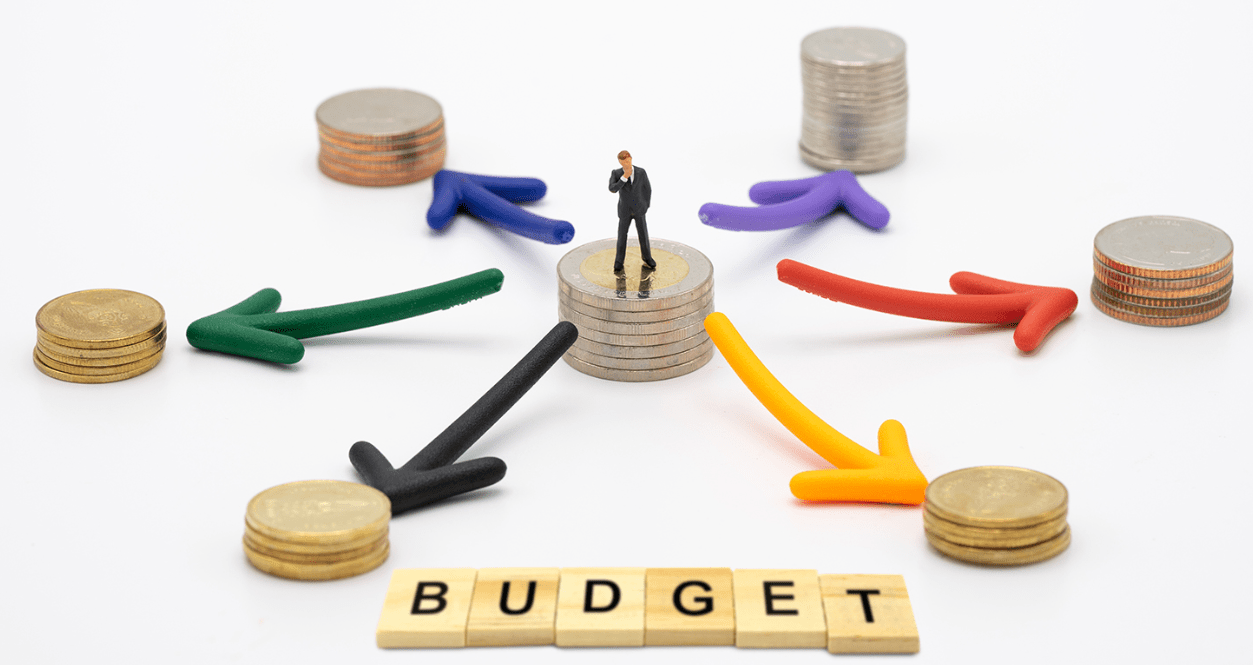
As we move into 2025, the need for effective budgeting has never been more pressing. Global economic trends—ranging from fluctuating markets to advancements in financial technology—continue to evolve at a rapid pace. Whether you’re an individual seeking to optimize your personal finances or a business professional overseeing a corporate budget, staying informed and adaptable is key. In this guide, we’ll explore Strategies for Effective Budgeting in 2025, offering a blend of timeless principles and fresh insights tailored to the unique challenges of the coming year.
Our focus is on practical steps and an approachable, conversational style, ensuring that both beginners and experienced budget planners can glean valuable information. From leveraging digital tools to setting realistic financial goals, these strategies will help you stay on track and build a stable financial future. Let’s dive into Budgeting in 2025 and uncover the tools you need to thrive.
Why Budgeting Matters in 2025
Shifting Economic Dynamics
In 2025, economic indicators such as inflation, interest rates, and employment levels continue to shift unpredictably. While some industries may experience growth due to technological advancements, others could face setbacks stemming from global events. Preparing for these fluctuations is essential to maintain financial stability, which is precisely why Effective Budgeting in 2025 stands out as a crucial skill. By staying proactive, you can navigate challenges more successfully and seize unexpected opportunities that arise.
The Role of Technology in Personal and Business Finance
Rapid digitization is transforming how we approach financial planning. Online tools, mobile apps, and automated systems have made it easier than ever to track expenses, forecast cash flow, and even receive AI-driven suggestions to optimize spending. As a result, budgeting in 2025 is more efficient, more data-driven, and, in many ways, more user-friendly. Leveraging these cutting-edge resources allows you to make informed decisions tailored to your unique financial situation.
Embrace Digital Tools for Budgeting in 2025
Popular Budgeting Apps and Software
One of the core strategies for effective budgeting in 2025 is to integrate digital tools into your financial routine. Several platforms continue to dominate the market due to their robust features and intuitive design:

- Mint: Known for its all-in-one dashboard, Mint provides real-time updates on your bank accounts, credit cards, and investment portfolios. Users can set customized alerts to avoid overdrafts and receive reminders to pay bills on time.
- YNAB (You Need A Budget): With a philosophy that every dollar has a purpose, YNAB emphasizes proactive financial planning. It encourages you to assign each incoming dollar to a specific category, from essential expenses to discretionary spending.
- Quicken and Simplifi: Quicken remains a longstanding choice for individuals looking for a desktop-based solution, whereas Simplifi—its cloud-based counterpart—caters to those who prefer a mobile-first approach. Both platforms offer detailed reporting and goal-setting features.
By harnessing the power of these tools, you can automate much of the data-entry process, reduce human error, and gain immediate visibility into your financial health—a key aspect of effective budgeting in a rapidly changing environment.
Streamlining Corporate Budgeting with Cloud Solutions
For businesses, effective budgeting in 2025 often involves sophisticated enterprise software. Platforms like Oracle NetSuite, SAP, and Microsoft Dynamics provide real-time financial analytics, multi-currency support, and compliance tracking. These systems allow finance teams to forecast budgets, monitor performance, and adapt strategies in response to market fluctuations. Smaller businesses might explore cloud-based accounting tools like FreshBooks or Xero, which offer budget-friendly subscriptions and user-friendly dashboards. Regardless of the size of your operation, integrating digital solutions helps you stay agile and competitive in 2025’s economic landscape.
Set Clear Financial Goals for a Changing World
Defining Your 2025 Objectives
A cornerstone of effective budgeting is knowing precisely what you aim to achieve. As you map out your budget for 2025, consider these potential objectives:

- Emergency Fund Expansion: Given ongoing economic uncertainties, bolstering your safety net is often advisable. A minimum of three to six months’ living expenses is standard, but some experts recommend extending that to nine or twelve months if you work in a volatile industry.
- Debt Reduction and Management: Interest rates might fluctuate, but high-interest debt remains a hurdle to financial freedom. Emphasize paying off credit card balances, personal loans, or other high-rate obligations.
- Investment and Growth: If you’re eager to grow your assets, allocate a portion of your budget to investments aligned with your risk tolerance. This could involve stocks, bonds, mutual funds, real estate, or even emerging asset classes.
- Lifestyle Goals: Whether it’s saving for a dream vacation, purchasing a new vehicle, or launching a small business, lifestyle goals keep you motivated. Incorporating these personal milestones into your budget ensures that your financial plan reflects your aspirations.
Breaking Goals into Manageable Milestones
Even if your objectives seem ambitious, tackling them incrementally makes them more attainable. By breaking a larger goal—say, saving $30,000—into monthly or quarterly targets, you maintain momentum and track progress with clarity. This approach is vital to effective budgeting in 2025, as it helps you stay grounded, even when market conditions become unpredictable.
The 50/30/20 Rule Revisited
Adapting the Rule to a Rapidly Evolving Economy
The classic 50/30/20 rule—devoting 50% of your after-tax income to needs, 30% to wants, and 20% to savings and debt repayment—remains a practical guideline for Budgeting in 2025. However, economic shifts may require periodic adjustments. If prices on essentials (like groceries and utilities) rise, your needs category could exceed 50%. Conversely, if you find yourself in a high-earning phase, you might choose to increase your savings rate beyond 20%.
Customizing for Your Personal Circumstances
While the rule offers a balanced framework, effective budgeting often means tailoring it to your specific situation. For instance, if you’re aggressively paying down student loans or a mortgage, you might allocate more than 20% to debt reduction. Alternatively, if you’re working toward a major life event—such as funding a wedding or planning extended travel—you could momentarily redirect your funds to a dedicated savings account. The flexibility to evolve your strategy is crucial when shaping long-term financial health.
Regularly Review and Adjust Your Budget
Navigating Life Changes
A budget is a living document. Over the course of 2025, you may encounter changes that demand swift financial action—job transitions, unexpected medical bills, or even windfall gains. Regularly reviewing your plan ensures it remains accurate and practical. This habit is one of the simplest yet most powerful strategies for effective budgeting in 2025. By scheduling monthly or quarterly check-ins, you can spot potential issues early and pivot before minor setbacks become major roadblocks.
Monitoring Market Fluctuations
While personal circumstances undoubtedly shape your budgeting approach, the broader economic landscape also plays a role. Keep an eye on interest rate shifts, inflation trends, and consumer sentiment. If experts predict a recession, you might want to bolster your emergency fund or shift more money to stable investments. Meanwhile, an optimistic outlook could justify taking calculated risks in growth-oriented sectors. Staying informed enables you to incorporate both personal and market factors into your budgeting formula.
Prioritize Debt Reduction and Financial Security
High-Interest Debt as a Priority
Carrying high-interest debt undermines the progress of any budget. Credit cards and payday loans often charge steep rates, diverting funds away from more productive uses like investment or emergency savings. One of the top strategies for effective budgeting in 2025 is systematically reducing such obligations. The debt snowball method (paying off smaller debts first) can provide quick wins to keep you motivated, while the debt avalanche method (targeting the highest interest rate first) may save you more money in the long run.
Safeguarding Against Uncertainty
Beyond debt, Budgeting in 2025 also involves fortifying against potential risks. An emergency fund safeguards you against unforeseen medical costs, car repairs, or job loss. While three to six months’ worth of expenses is a standard recommendation, consider extending your cushion if your income or industry is particularly volatile. This approach keeps you from resorting to credit during a crisis and preserves the integrity of your long-term financial strategy.
Invest in Your Future
Aligning Investments with Financial Goals
While daily expenses need management, looking beyond the present is equally important. Once you have a handle on routine budgeting, allocate a portion of your income to growth vehicles—whether that’s a 401(k), an IRA, index funds, or real estate. By incorporating an investment plan into your effective budgeting strategy, you set the stage for wealth accumulation and potential financial independence. Just ensure you choose assets that align with your risk tolerance and retirement timeline.
Keeping Up with Trends
As 2025 unfolds, new investment opportunities may emerge. Industries like green energy, technology, and healthcare innovations could experience growth, influenced by shifts in consumer demand or government policy. Regularly reading reputable financial news, participating in online webinars, or consulting with a financial advisor helps you identify promising avenues for investing. The key is to remain open to evolving sectors while balancing any high-risk moves with more stable holdings.
Stay Informed and Educated
Resources for Continuous Learning
Effective Budgeting in 2025 hinges on financial literacy. Blogs, podcasts, and online courses offer insights into new budgeting methods, digital tools, and market outlooks. Whether you follow established voices like CNBC or delve into specialized financial forums, exposing yourself to diverse viewpoints can broaden your understanding. As legislation and global economic factors evolve, staying informed ensures your budgeting plan remains relevant.
Sharing Knowledge
One overlooked aspect of budgeting in 2025 is the collective approach. If you’re part of a household, involve all family members or roommates in discussions about household finances. In a business context, keep stakeholders and team members in the loop about budgetary constraints and updates. Transparency fosters shared responsibility, reducing the likelihood of unwelcome surprises.
Conclusion
Embracing Strategies for Effective Budgeting in 2025 means adopting a proactive, adaptable mindset. By leveraging digital tools, setting clear financial goals, and regularly reviewing your plan, you can thrive even in the face of economic twists and turns. This forward-thinking approach applies equally to households, entrepreneurs, and large corporations aiming to optimize resources.
Final Thoughts for Success:
- Stay Flexible: A rigid budget can crumble under unexpected changes. Revisit and adjust regularly.
- Focus on High-Interest Debt First: Eliminating burdensome obligations frees up funds to invest or save.
- Plan for Contingencies: Whether it’s an emergency fund or insurance, safeguarding your finances is key.
- Leverage Technology: Apps and software simplify tracking, help identify trends, and streamline forecasting.
- Keep Learning: Economic landscapes shift. Stay curious, read reputable sources, and explore new investment avenues.
By combining these strategies, you’ll be better equipped to practice Effective Budgeting in a rapidly evolving world. Remember, the ultimate goal is not merely surviving financial challenges but positioning yourself for long-term growth and stability. With a well-structured plan and a commitment to continuous adaptation, 2025 can be a year of financial resilience and success.
 ABC of Finance