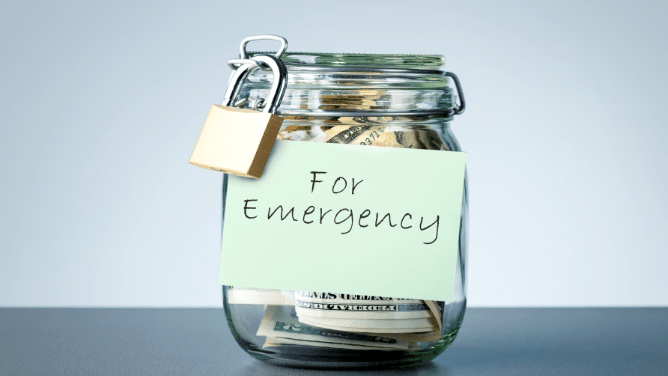
Building an Emergency Fund is one of the most pivotal steps any professional can take toward achieving financial independence and avoiding risks associated with sudden expenses or income loss. Whether you’re preparing for a possible economic downturn, a medical emergency, or an unexpected career shift, having readily available funds can offer valuable peace of mind. In this article, we’ll explore the importance of an Emergency Fund, provide ten actionable methods to establish one, and help you stay committed to this life-changing financial goal. By the end, you’ll have a comprehensive roadmap to strengthen your finances and protect your future.
Introduction
What Is an Emergency Fund?
An Emergency Fund is a dedicated pool of money set aside to cover unforeseen expenses or income disruptions. Unlike savings for planned purchases or investments earmarked for long-term growth, this special reserve ensures you’re equipped to handle life’s surprises without falling into debt or jeopardizing your overall financial stability. The size of an Emergency Fund varies, but financial experts often recommend saving enough to cover three to six months’ worth of essential living costs.
Why Is It Relevant for Professionals?
For many professionals, career trajectories can shift rapidly—project deadlines might change, markets can fluctuate, and job roles might evolve. From potential layoffs to unexpected business expenses, having an Emergency Fund is crucial to maintaining momentum in your career. It helps you navigate rocky financial patches without resorting to high-interest credit cards, personal loans, or other stop-gap measures. Moreover, when you have reserves in place, you’re more likely to make level-headed decisions about job opportunities and business ventures, supporting your pursuit of financial independence.
If you’re interested in learning more about everyday budgeting to support your Emergency Fund goals, check out our Budgeting Tips Guide.
Why an Emergency Fund Matters Today
Economic Uncertainty and the Need for Diversification
In an ever-evolving global economy, unpredictability has become the norm. Rapid changes in technology, global health events, and shifting market demands can lead to abrupt financial challenges. Recent data from reputable financial publications, such as The Wall Street Journal, highlight how even established industries can experience sudden downturns.

- Protecting Against Job Instability
With layoffs making headlines and entire industries undergoing transformation, having an Emergency Fund acts as a financial cushion. It buys you time to explore new job options or reskill without the urgency of an imminent paycheck. - Responding to Life’s Curveballs
Even if your career is stable, health-related emergencies, urgent car repairs, or family needs can spring up unexpectedly. An Emergency Fund helps you manage these costs promptly, preventing a short-term crisis from evolving into long-term financial distress. - Fostering Financial Independence
Beyond immediate security, an Emergency Fund also supports bigger goals like homeownership or entrepreneurship. Rather than scrambling for loans if an opportunity arises, you can draw upon saved capital. A well-stocked fund allows you to pivot seamlessly, avoiding risks that could derail your progress.
Top 10 Methods for Building an Emergency Fund
Below are ten practical strategies to help you establish or enhance your Emergency Fund. Each method focuses on a specific aspect of saving, from everyday tactics to more creative financial approaches.
1. Automate Your Savings
Automation is one of the most efficient ways to ensure consistent contributions to your Emergency Fund.
- How It Works
Set up an automatic transfer from your checking account to a dedicated savings account on payday. This approach removes the temptation to spend money earmarked for saving because it never stays in your primary spending account. - Pros and Cons
- Pros: Encourages a disciplined habit and reduces the risk of forgetting to save.
- Cons: You must be vigilant about updates if your income or expenses change significantly.
2. Establish a Realistic Target
Setting a clear goal can motivate you to prioritize your Emergency Fund. Start by calculating your monthly essentials—housing, utilities, groceries, and insurance—and multiply that figure by three, four, or six, depending on your comfort level.
- Pros and Cons
- Pros: Provides a tangible savings target and helps track progress.
- Cons: Can feel daunting if you set an overly ambitious goal too soon. Consider building up gradually.
3. Track and Reduce Unnecessary Expenses
One of the simplest ways to free up money for an Emergency Fund is to cut back on discretionary spending. Audit your bank statements for areas of improvement: streaming services, subscription boxes, or excessive dining out.
- How to Do It
- List monthly expenses in detail.
- Identify recurring payments you can lower or eliminate.
- Transfer the freed-up cash into your Emergency Fund each month.
- Pros and Cons
- Pros: Quickly yields extra savings without requiring more income.
- Cons: Requires consistent monitoring to maintain lower spending habits.
4. Use Windfalls Wisely
Unexpected money such as bonuses, tax refunds, or gifts can significantly accelerate the growth of your Emergency Fund.
- Benefits
- Allows you to make large lump-sum contributions.
- Provides a morale boost when you see your balance rise quickly.
- Caution
- Resist the urge to spend windfalls impulsively. Allocate at least a portion of them to your Emergency Fund and enjoy a smaller portion for leisure if desired.
5. Create Multiple Savings Buckets
Consider splitting your savings into specific “buckets”: one for your Emergency Fund, one for vacation, one for a future car purchase, etc. This method helps visualize and respect the purpose of each fund.
- Pros and Cons
- Pros: Prevents confusion over how much is truly reserved for emergencies.
- Cons: Requires careful management to avoid mixing funds or raiding the wrong bucket.
6. Leverage Side Hustles
If your primary income isn’t sufficient for quick progress, consider a side hustle for extra earnings. Whether it’s freelance writing, tutoring, or selling handmade crafts, funneling additional income directly into your Emergency Fund speeds up the process.
- Benefits
- Boosts savings faster, particularly if your monthly budget is tight.
- Improves financial security without drastically altering your existing lifestyle.
- Drawbacks
- Demands time and effort outside regular work hours.
- Might contribute to burnout if not managed well.
7. Opt for High-Interest Savings Accounts or Money Market Funds
Where you store your Emergency Fund matters. Parking it in a regular checking account might not yield sufficient returns. Instead, consider a high-yield savings account or a money market fund.
- Advantages
- Potential to earn more interest, supporting financial independence over time.
- Still provides liquidity, ensuring funds remain accessible in emergencies.
- Disadvantages
- Rates can fluctuate, and if they drop, your gains diminish.
- Might have withdrawal limits or minimum balance requirements.
8. Reinvest Interest and Dividends
If your Emergency Fund account or related investments generate interest or dividends, reinvest them rather than cashing out. This compounding effect helps the fund grow more quickly.
- Why It Works
- Reduces the temptation to spend small gains.
- Over the long run, reinvested earnings can substantially boost your Emergency Fund.
- Caveat
- Keep your goals realistic; reinvestment is not a quick fix for minimal interest rates.
9. Review and Adjust Regularly
Life is dynamic—salaries rise, expenses shift, and family obligations change. Schedule quarterly or semiannual check-ups on your Emergency Fund to ensure your contributions align with your current lifestyle.
- Pros and Cons
- Pros: Helps you stay proactive about changes and reaffirms your commitment.
- Cons: Requires discipline and time to reassess thoroughly.
10. Reward Yourself Responsibly
Saving money can be challenging, and feeling deprived may cause you to lose motivation. Allow yourself modest rewards—like a meal at a nice restaurant or a small gift—once you hit specific milestones.
- Pros and Cons
- Pros: Maintains morale, ensuring consistency in saving.
- Cons: Must avoid going overboard; keep rewards within budget limits.
Conclusion
Establishing an Emergency Fund stands as a cornerstone of financial independence, especially for professionals navigating modern career challenges. By setting realistic targets, automating contributions, and staying mindful of unnecessary expenses, you build a strong monetary safety net. Combined with other strategies—like directing windfalls to your savings, exploring high-yield accounts, and reviewing your finances regularly—you can bolster your financial resilience against unexpected events.
Remember: consistency is the real differentiator. Even small monthly contributions can accumulate significantly over time, offering a cushion that keeps you from jeopardizing your overall financial plan. You’ll not only be avoiding risks and potential debt but also reinforcing the confidence to tackle new opportunities, whether personal or professional.
Next Steps and Further Resources
- Keep Learning: For more on everyday budgeting to supplement your Emergency Fund strategy, check out our Budgeting Tips Guide.
- External Reading: For additional insights on saving and investing, consider reputable finance sites.
- Join the Discussion: Sign up for our newsletter to receive more tips, and share this article on your social media channels. We’d also love to hear your personal experiences—leave a comment about your best approach to building an Emergency Fund or any passive income ideas you’ve explored.
By acting on these tips, you’ll be one step closer to long-term financial security, no matter what life brings your way.
 ABC of Finance
2 thoughts on “10 Practical Tips for Building an Emergency Fund”